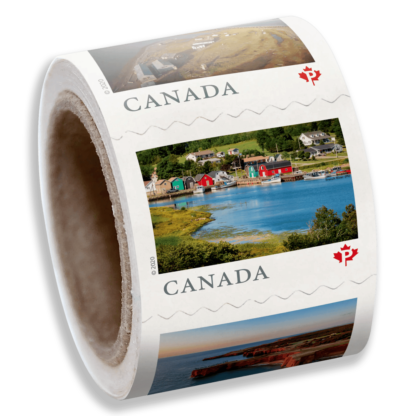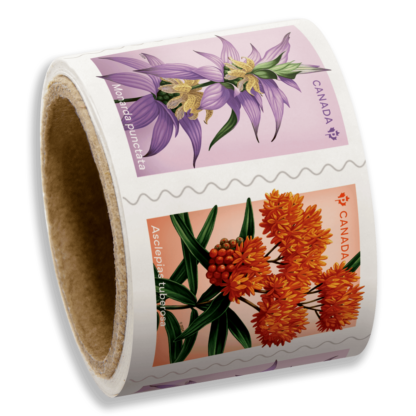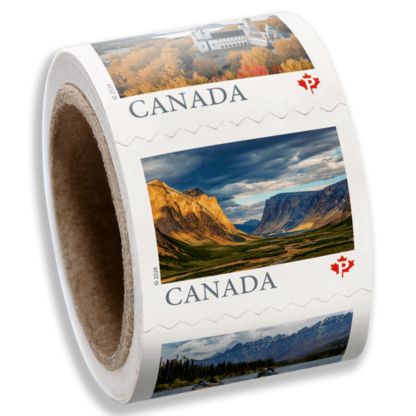
Wait, do stamps actually expire? It’s the first question I get when I’m auditing our inventory for the landscaping season in Halifax. You’re sitting in the office, the fog rolling off the Atlantic, and you realize that your 500-unit “Permanent” coil has been sitting in a damp drawer for six months. When you attempt to store wedding stamps canada, you aren’t just filing paper; you’re managing a complex polymer adhesive that is sensitive to two things: humidity and oxidation. I learned this the hard way when She don’t care about the cost, but the client certainly does when the stamps start curling off the envelopes before they even hit the mailbox.
“As a business owner, I don’t see a stamp as a sticker; I see it as an asset. If you don’t store wedding stamps canada in a climate-controlled environment, you might as well burn the cash. Halifax humidity turns a thousand-dollar coil into a single, useless block of paper faster than a winter storm.”
— Source: Bradley Cooper, Halifax Landscaping
The science is simple: stamps hate two things—moisture and extremes in temperature. In Atlantic Canada, we have both in abundance. If you don’t use a structured protocol to store wedding stamps canada, you’re going to experience “Adhesive Migration,” where the glue on the back of one stamp bleeds into the design of the one beneath it. It’s a mess that ruins the “Luxury” feel of a wedding invite and leads to massive “Waste Surcharges” at the mailroom. Maintenance is a business discipline, even for paper.
Why Fragility Matters when you Store Wedding Stamps Canada
A stamp is a high-tech artifact. The inks are UV-cured, and the paper is “Treated” to accept infrared sorting tags. When you store wedding stamps canada improperly, you’re compromising these security features. If the phosphor tags degrade due to chemical exposure (like being stored near office cleaning supplies), the sorting machine in Halifax will flag the mail as “Unpaid.” The envelope torn during the machine-rejection cycle is a cost that most planners never calculate until it’s too late.
| Storage Threat | Material Consequence | Risk Outcome |
|---|---|---|
| Atlantic Humidity (>60%) | Polymer Softening / Adhesive Bleed | Stamp Curling / Machine Jam |
| Direct UV Exposure | Pigment Fading / Tag Degradation | Sorting hub Rejection |
| Chemical Off-Gassing | Inert Adhesive Brittle-ing | Detachment during sorting |
According to the Canada Post official homepage, Permanent™ stamps have no expiry, but that “No-Expiry” clause assumes the physical integrity of the unit. You can’t use a stamp that has fused to another. Really really bad storage means that “Lifetime Value” is zero because the material failed, not because the rate changed. You know, it’s about more better stewardship of your physical inventory.
Best Deals on Canada Stamps
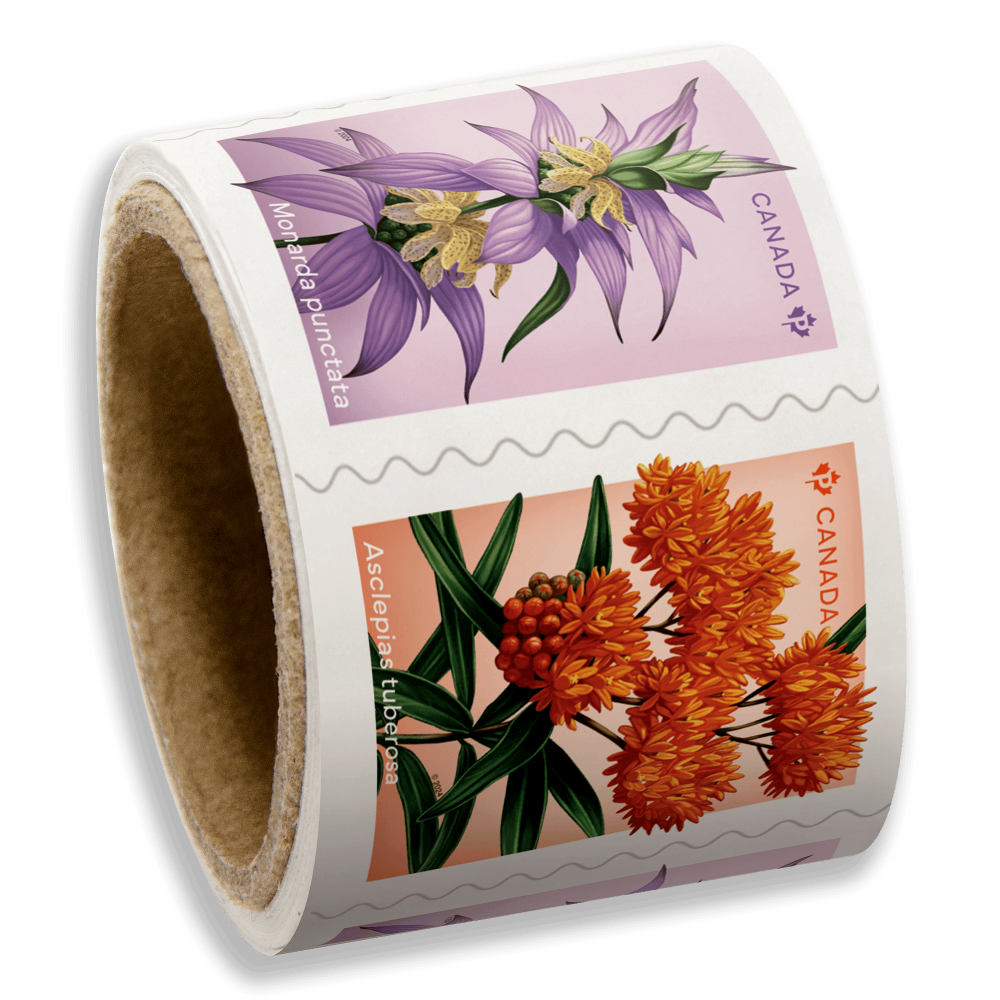
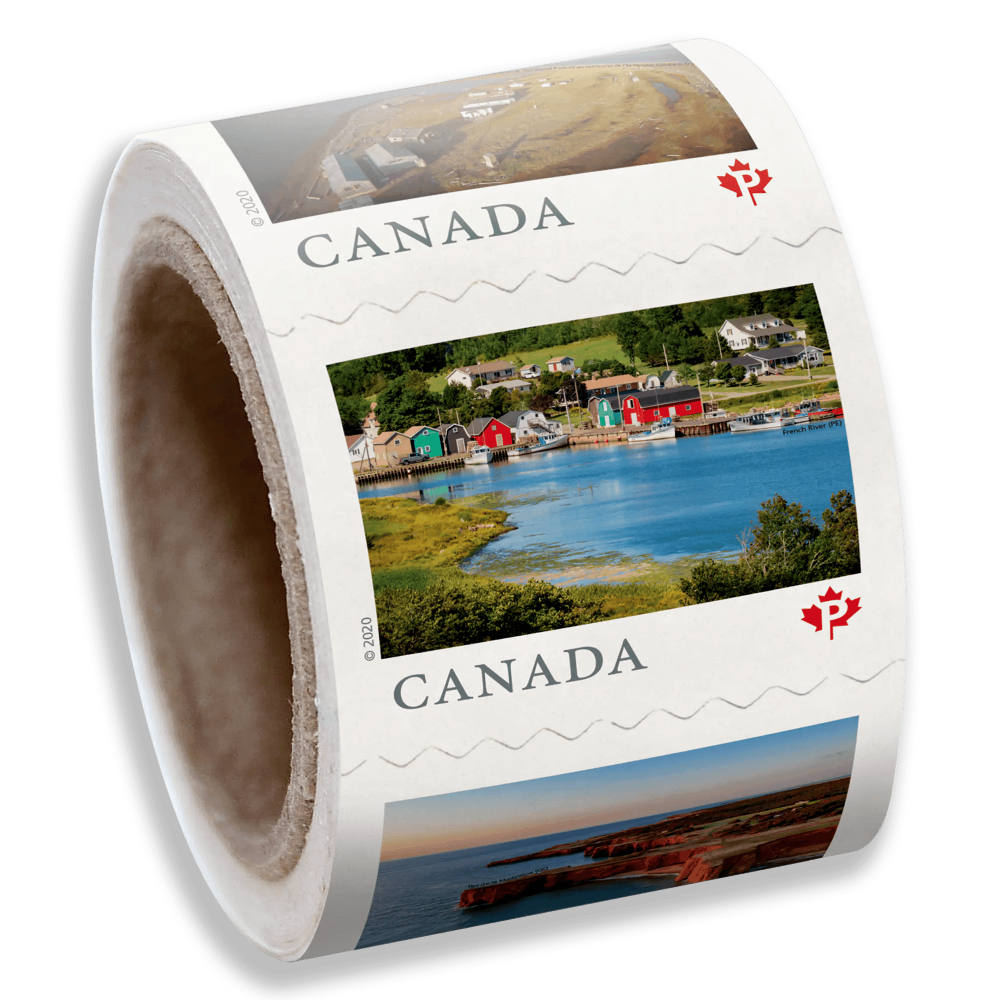
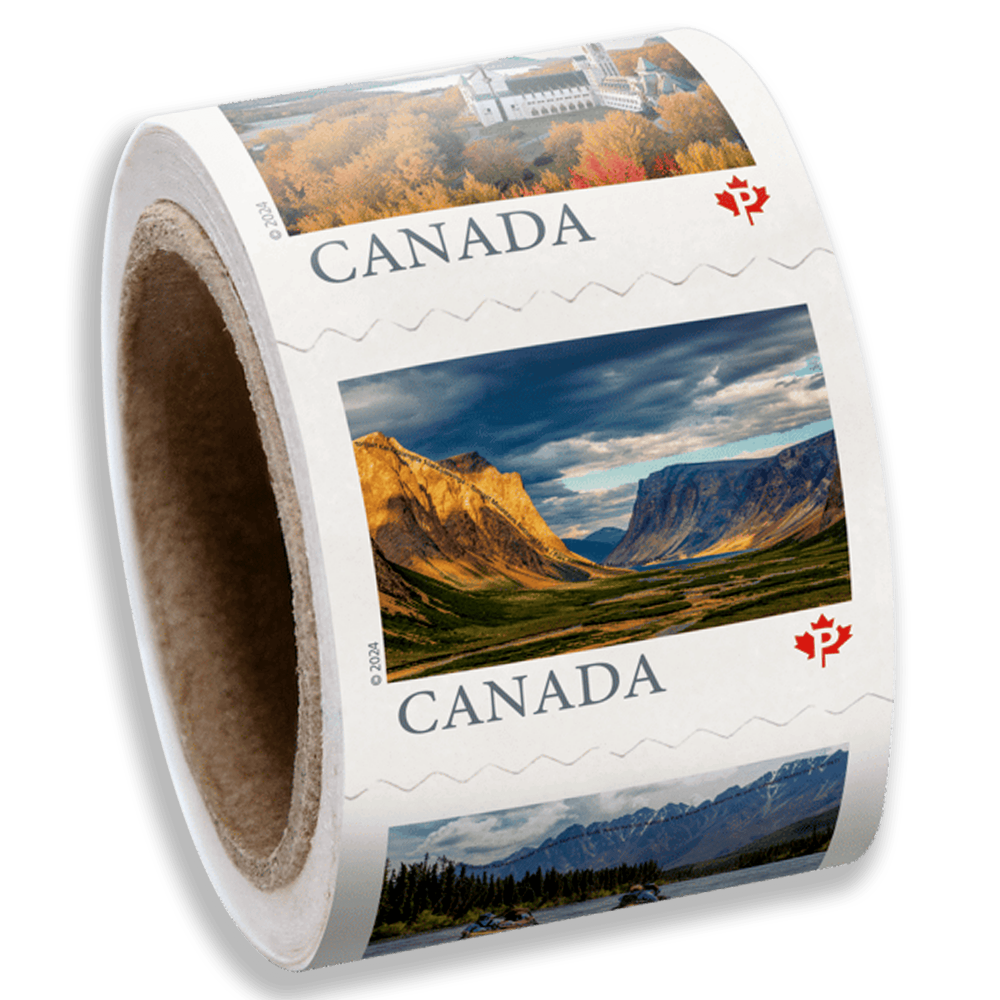
Humidity vs. Cold: Climate Rules to Store Wedding Stamps Canada
Halifax is a humidity battleground. When you store wedding stamps canada, the ideal environment is 20°C with a relative humidity of 40% to 50%. Anything higher causes “Stamp Curling.” This is where the edges of the stamp lift before the adhesive cures. If you’re using 100-unit coils, the deformation can be so severe that they won’t even fit in a standard stamp dispenser anymore. It’s an “Industrial Error” that happens because the backing paper expands at a different rate than the polymer stamp.
If you’re storing in a basement or a cold office, the adhesive can become “Dormant.” This means it won’t bond to the envelope in the first 24 hours, making it highly susceptible to “Popping” in the sorting machine’s friction-feeders. Before you mail 500 invitations, you should “Acclimate” your stamps to room temperature for 48 hours. It’s a Technical Audit that ensures the chemical bond is 100% active before the high-stakes mailing begins.
Avoiding Chemical Degradation when you Store Wedding Stamps Canada
Chemical degradation is the silent enemy. If you store wedding stamps canada in an office with printers, toner particles and ozone from the laser-fusing process can actually degrade the phosphor particles in the stamp’s coating. This isn’t just theory; it’s the physical reality of modern mailroom logistics. According to the Smithsonian National Postal Museum, air quality is a primary factor in philatelic longevity. You want a “Neutral Environment.”
“Preservation Note: Adhesives manufactured after 2024 use a synthetic elastomer that is highly reactive to organic solvents. Storing stamps near cleaners or ink-toners can trigger ‘Premature Cure,’ rendering the store wedding stamps canada protocol ineffective.”
— Source: Material Science Lab Reference
Wait, does the storage box material matter? Yes. If you’re using an old shipping box to store wedding stamps canada, the acid in the corrugated cardboard can leach into the stamp paper over a 6-month period. Use “Acid-Free” archival bins if you’re planning to hold inventory for more than one season. In my landscaping business, we treat our seed-packets with this level of respect; your high-value wedding postage deserves no less.
Long-Term Inventory Strategies to Store Wedding Stamps Canada Safely
To store wedding stamps canada for the long term (12+ months), you need a “Tiered Inventory” approach. We keep our “Active” stock in the mailroom dispenser but our “Reserve” stock is vacuum-sealed in five-unit blocks with silica gel desiccant. This ensures that even if the office HVAC fails during a Halifax fog-week, the core inventory is protected by a secondary atmospheric barrier. It’s about more better risk management—don’t keep all your eggs (or stamps) in one unsealed basket.
| Storage Method | Preservation Window | Administrative Effort |
|---|---|---|
| Open Desk Drawer | 1 – 3 Months | Minimal (High Risk) |
| Sealed Airtight Bin | 6 – 18 Months | Medium (Safe) |
| Vacuum-Seal + Desiccant | 3+ Years | High (Professional Audit) |
When you’re securing 1,000+ units of store wedding stamps canada through verified wholesale channels like canadapoststamp.com, they often arrive in pre-packaged “Friction-Sleeves” that are designed for industrial storage. Don’t remove these until you’re ready to use them. These sleeves prevent “Edge-Stripping”—the process where the edges of a coil get caught and damaged during handling. Keep them in the original housing as long as possible.
The Cost of Improper Storage: Why we Store Wedding Stamps Canada Corrected
We already discussed the store wedding stamps canada failures, but let’s look at the math. A ruined coil of 100 Permanent™ stamps is a hundred-dollar loss in “Face Value,” but a thousand-dollar loss in labor and reprinting costs if the mailing is rejected. According to Canada Post Postal History, the shift to self-adhesive stamps in the 1990s revolutionized convenience but created a new set of “Material Fatigue” risks. Dealing with these risks is a business discipline.
I look at the storage bin on my desk in Halifax, the “Climate Indicator” strip showing a perfect 45% humidity. I’ve secured our inventory for the 2026/27 seasons, and I know that every unit in that bin is a 100% compliant, high-fidelity artifact. We don’t just send mail; we send trust. By managing the science of preservation, we ensure that the first impression arrives exactly as intended. Is your office environment stable enough for your most valuable physical assets, or are you gambling with the Atlantic morning fog?
The sound of the thick, plastic lid snapping shut mimics the sound of a secure contract. I check a final humidity sensor, seeing the needle hover in the “Safe Zone” before the lights of the Halifax office go out. The fog is thick outside, the Atlantic air heavy and wet, but inside this bin, the future is dry and the adhesive is perfect. This is the quiet work of preservation. A final weather check on the monitor confirms a storm is coming, but for this inventory, it doesn’t matter. The seal is engaged, the audit is complete, and the assets are safe for the next six months.

USPS professional based in New York with over 12 years of experience in postal operations. She writes about Forever Stamps, offering practical guidance on safe purchasing and mailing practices while closely following USPS policy updates.